Sectors and Usage Areas
Aluminium Composite Panel, A2 Class Aluminium Composite Panel, B2 Class Aluminium Composite Panel, Mill Finish Flat Finished Products and Painted Flat Products; are the “silent heroes” of today's industry. From the outside it only looks like a surface, but inside there are critical needs such as durability, dimensional stability, lightness, long life and adaptability to production processes. On this page; building-construction, consumer durables, Transport and technical applications You will find a wide ecosystem of uses, especially under one roof.
In the world of production and application, there is no such thing as “one material solves everything”. The right choice depends on many parameters such as usage environment, mechanical load, surface expectation, production technique, assembly detail and continuity (supply/logistics). For this reason, we do not deal with the sectors only by name, but according to the real needs in the field. If you want to go to the product pages in detail: Aluminium Composite Panel, Class A2, Class B2, Flat Finished Products, Mill Finish, Painted You can examine their pages.
Material Family: Composite Panel and Flat Products
In most of the sectors on this page there are two main “players”: aluminium composite panel (layered structure and surface performance) and flat products (raw or painted surface that can be processed in forms such as roll/strip/sheet). Composite panels are particularly advantageous for architectural surfaces, facades and cladding applications. Flat products are common as input material for mass production, cutting-bending, deep drawing or other processes.
General information resources for those who want to see technical references: Aluminium composite panel (general description), Aluminium (material properties). For the classifications and standardised approach used on the fire performance side: Fire testing and classification approach and a widespread reference on the European side EN 13501 (fire classification of building products) pages give an idea.
Building - Construction
In the building world, the “visible surface” always bears the greatest responsibility. UV, rain, wind load, temperature change and contamination in the exterior; aesthetic continuity, cleanability and installation details come to the fore in the interior. For this reason, the use of composite panels and flat products depends not only on the material, but also on the correct sub-construction and the correct application detail.
Outdoor
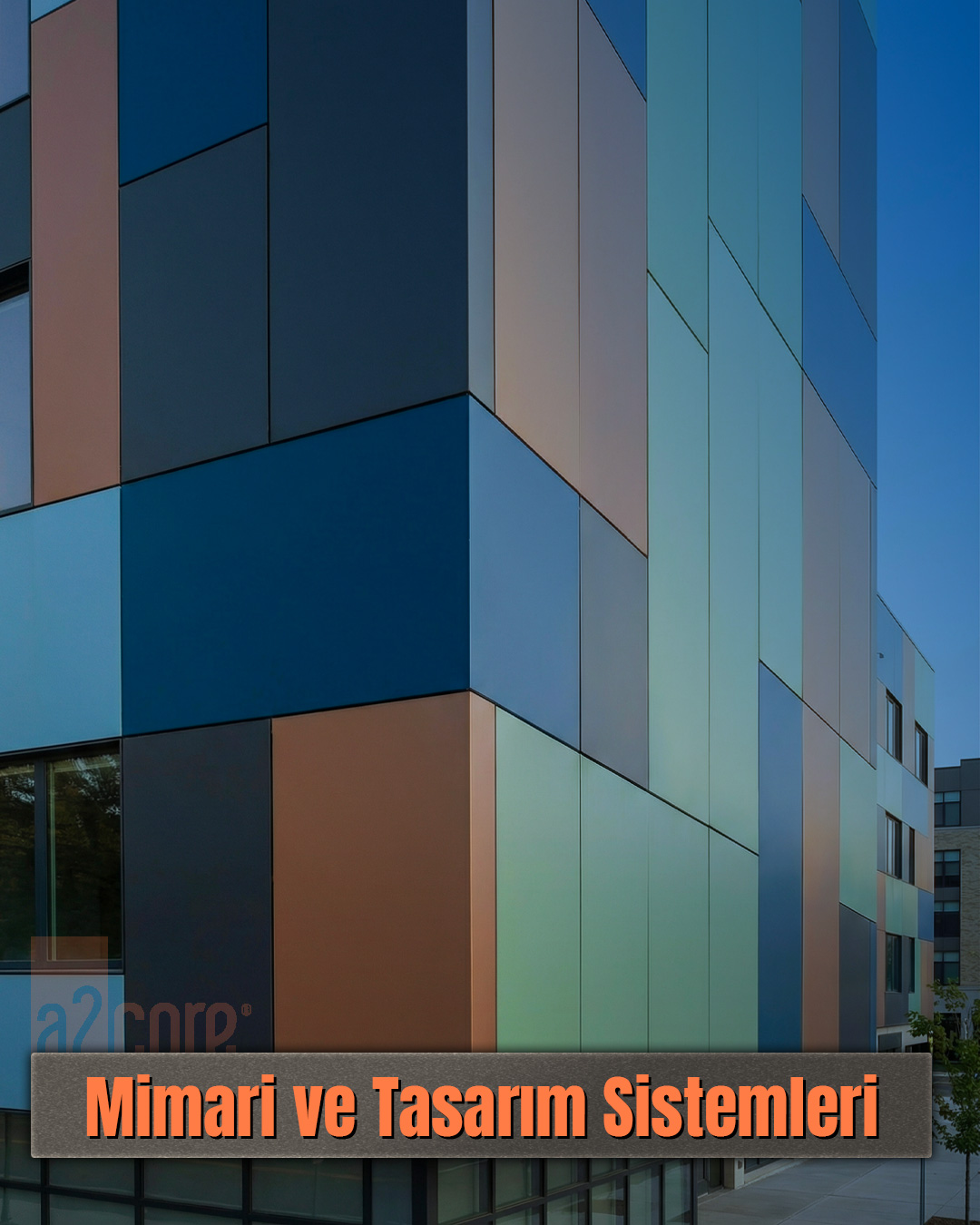
In outdoor applications such as facade cladding, advertising panels, rain gutters, door applications, traffic signs; surface stability, long-lasting appearance and installation practicality gain importance. Aluminium Composite Panel is often preferred for architectural facades and corporate exterior cladding. As the scale of the project increases, it becomes critical to be able to consistently provide the same surface quality.
- Composite Panel
- Sandwich Panel
- Rain Gutter
- Advertising Board
- Facade Coating
- Door Applications
- Traffic Sign
You can go to the product pages for the technical approach to the use of composite panels on the exterior facade: A2 Class Aluminium Composite Panel and B2 Class Aluminium Composite Panel. These two classes come into play in different requirements according to the project and the choice is often based on the specification.
Interior Space
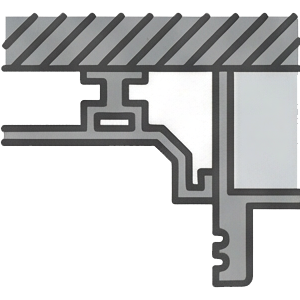
The goal in the interior is to obtain a smooth, clean and long-lasting surface that remains “like the first day”. In details such as corner profiles, suspended ceiling applications and glazing beads; dimensional precision and ease of installation come to the fore. Mill Finish Flat Finished Products and Painted Flat Products</strong; easily adapt to different production chains with their structures suitable for finishing processes.
- Corner Profiles
- Suspended Ceiling
- Glazing Bead
Isolation
Insulation is often not a “single product” but a system. In auxiliary applications that support heat/sound and structural integrity; form stability, production continuity and process compatibility of the material are important. At this point flat products forms (roll/strip/sheet) provide a strong infrastructure in industrial production.
Consumer Durables
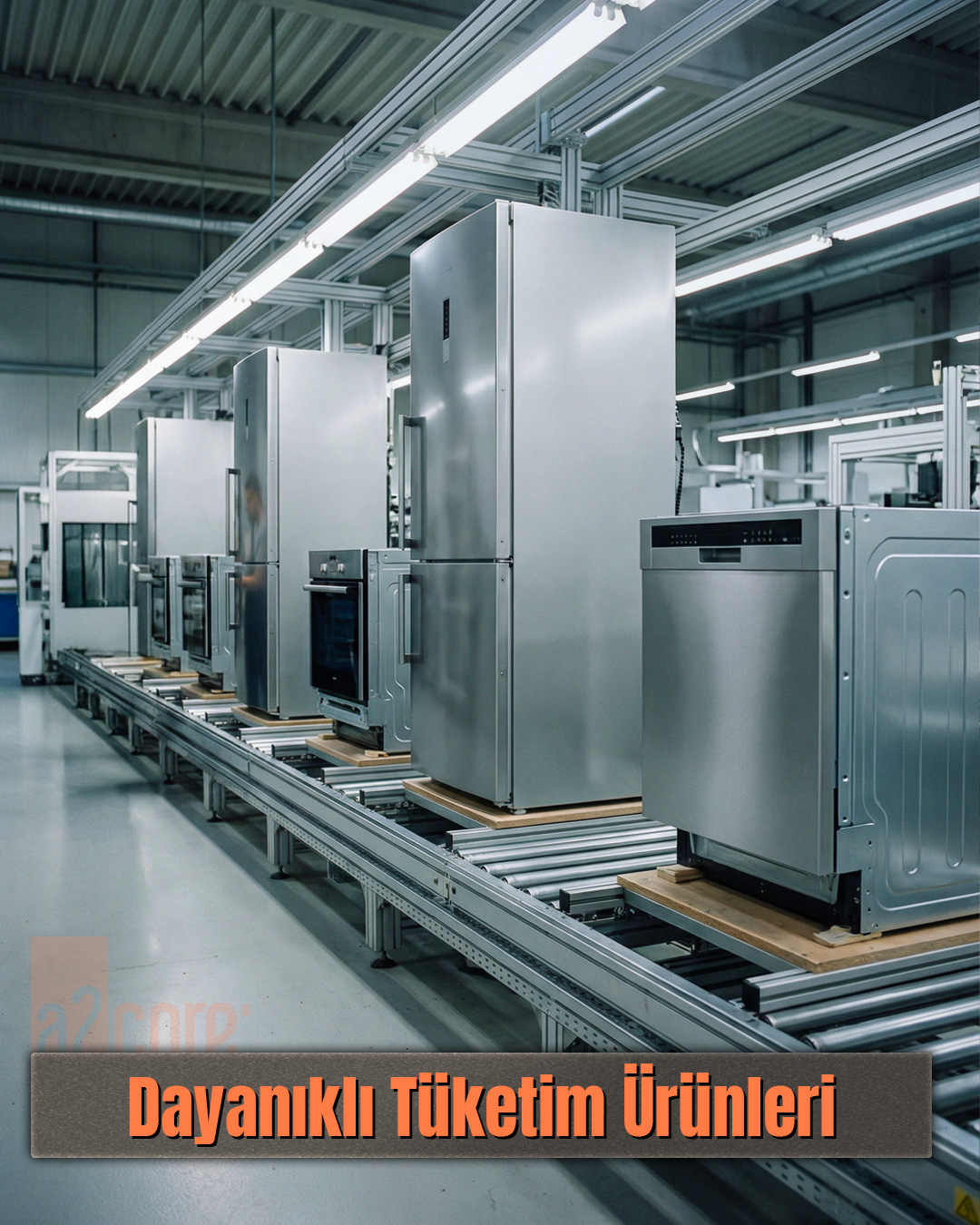
On the consumer durables side, the choice of material determines the rhythm of the production line. “Good material” here means not only strength, but also continuous supply, consistent quality, line efficiency and adaptability to downstream processes. This is why Mill Finish Flat Finished Products and Painted Flat Rolled Products</strong stands out with form options suitable for automation processes.
White Goods
In components such as deep freezers, evaporators, filters and condensers, dimensional accuracy and mass production harmony are important. Surface quality and stability affect the unit part quality as well as the wastage in the production line. White goods production likes stable process and material standardisation. Humanity “changes everything at the last minute” but production lines do not like it.
- Deep Freezer
- Evaporator
- Filter
- Condenser
Brown Goods
In brown goods such as air conditioners and TV cases, both structural and aesthetic surface requirements go hand in hand. Painted surface solutions provide an advantage at this point; mill finish offers flexibility for further processing.
- Circuit Cooler
- Air conditioning
- TV Box
Transport
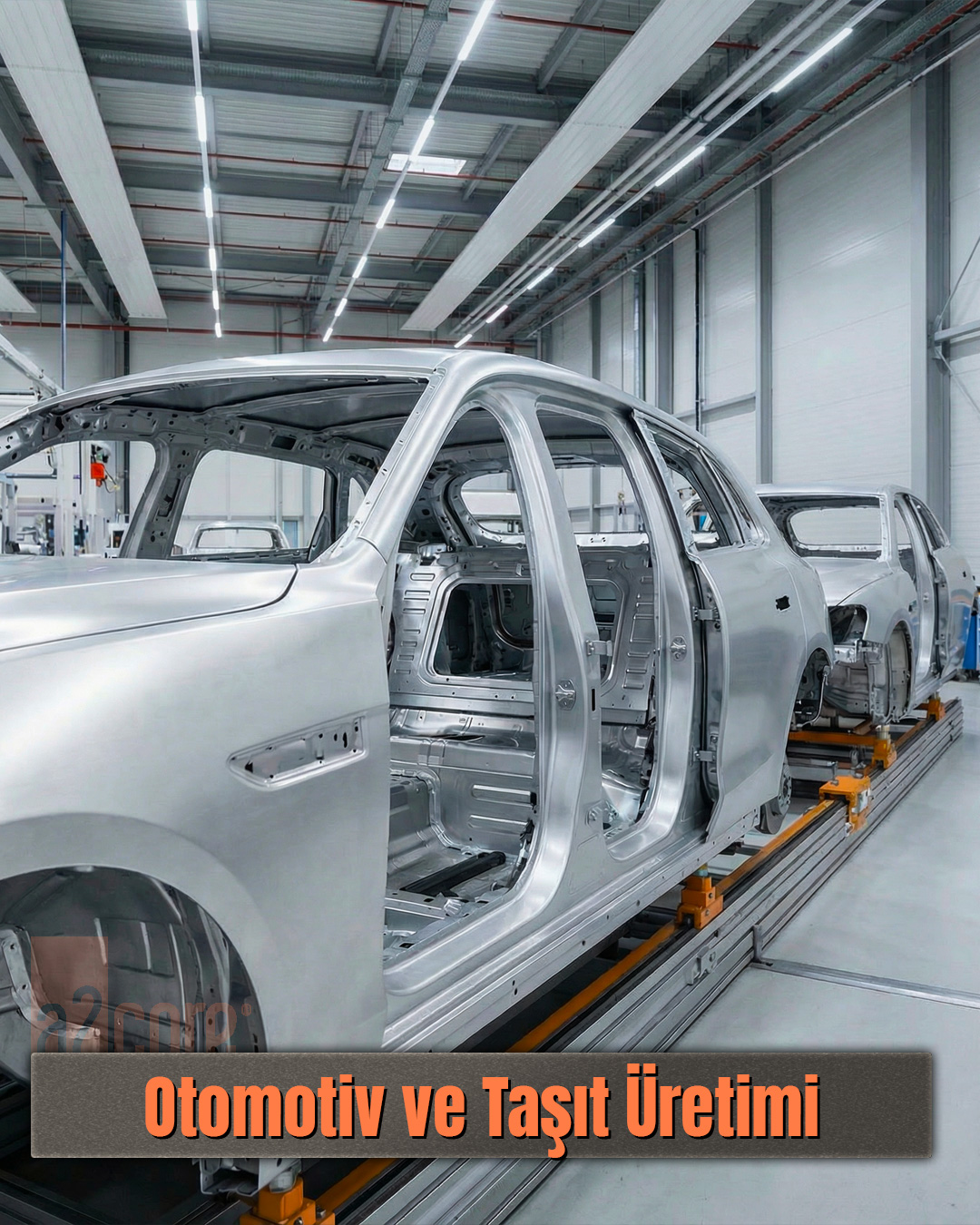
In the transport sector, materials often do three things at the same time: keep weight down, offer strength and withstand external conditions for a long time. In automotive and heavy vehicles, the production rhythm is fast, tolerances are clear and continuity is critical. In these areas, flat products (especially roll/strip) are very valuable in terms of production efficiency. Composite panel, on the other hand, stands out in certain coating and design requirements.
Automotive
Formability and strength of the material are important in applications such as heat shields, automotive roof laths and vehicle plates. Continuity and low waste are targeted in production. For this reason, the choice of material should not be “let's buy the most expensive one”, but “let's use the most accurate one”. This sentence sounds simple because people do not like to apply simple in real life.
- Heat Shield
- Automotive Roof Moulding
- Vehicle Licence Plate
Truck & Trailer
External conditions and impact resistance are on the agenda in applications such as side panels and textile hangers. Large surfaces and long life cycles make coating and surface performance even more important.
Bus
Scratch resistance, stability and long-lasting use are important in areas with frequent contact such as tailgate and steps. In mass production, ease of production and process compatibility are important.
Aerospace
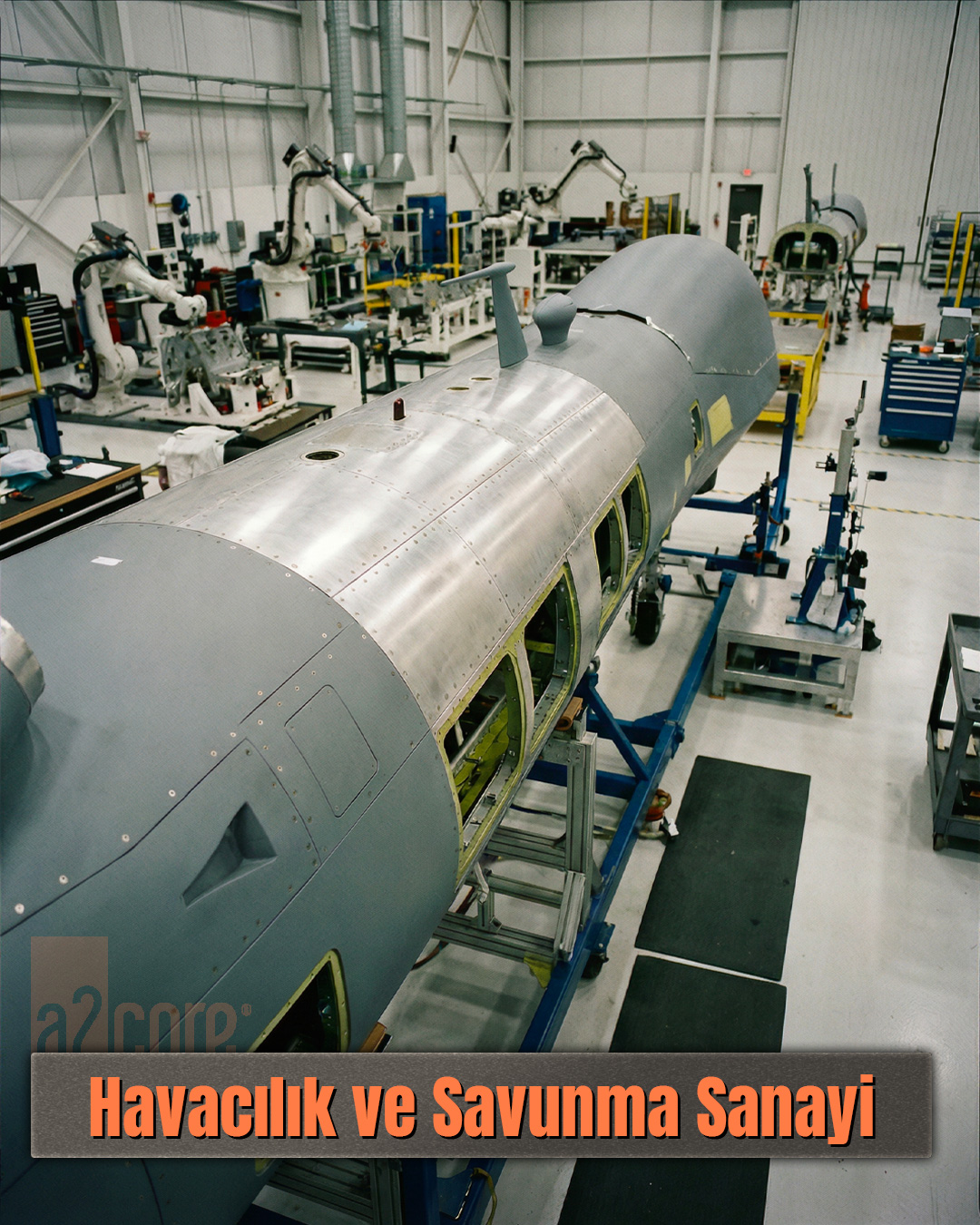
In aerospace applications; lightness and technical tolerances are important. In this area, production approach, quality control and traceability become more critical. The word “detail” here is really detail, not a fancy word.
Maritime
In marine applications, humidity, salt and outdoor effects emphasise surface resistance and long life expectancy. Different surface solutions come to the agenda according to the application area.
Technical Applications
Technical applications include parts that are often invisible but enable the system to function. In this area, the dimensional stability of the material, production compatibility and process durability come to the fore. “Good looks” come second here, but they are still important because nobody likes an ugly product. Yes, including the machines.
Transformer
Form stability is important for enclosure and guiding parts in electrical equipment. Tolerance deviation in production directly affects assembly quality.
Satellite Antenna
Lightness and durability are sought together on surfaces that remain continuously in the outdoor environment. Material selection; affects long-term performance.
Solar Collector
Surface performance in energy systems is related to efficiency and lifetime. Continuity and stability are as important in the field as in production.
Lighting
Smoothness, form stability and production consistency of reflector and carrier surfaces support the quality of the final product.
Heat Exchanger
In heat transfer systems, precision measurement and compliance with production processes are important. Surface and tolerance control plays a critical role in the production chain.
Painters
In industrial painting processes, the structure suitable for surface preparation increases production efficiency. At this point, painted or ready-to-paint flat product options are preferred.
Featured Product Groups
If you want to link to all sectors from individual product pages, you can make a quick transition with the links below. This internal link structure also generates a strong signal on the SEO side (Google still likes links, because what else?).
Turkey and Export-Oriented Procurement Approach
In the Turkish market, fast delivery, consistent quality and project continuity are the main reasons for inter-sectoral transitivity. In exports, compliance with standards, traceability, packaging discipline and quality stability become even more critical. In a project, if the same material turns out to be different even “visually” in different batches, it creates great costs in the field. Therefore, an approach that keeps production discipline and quality continuity at the centre provides advantages both in the domestic market and in exports.
For corporate information and communication: About Us page for technical and application contents: Blog section; and directly for project requests Contact You can use the page.
Practical Notes for Application, Assembly and Correct Selection
The sectors on this page have different assembly systems, different surface expectations and different climatic conditions. Therefore, “application discipline” affects the result as much as “material selection”. In composite panel applications, substructure, fasteners, dilatation details and surface maintenance plan; in flat products, cutting, bending, forming, painting/coating line compatibility and quality control parameters play a critical role.
You can find more detailed product technical descriptions on these pages: A2 Class Aluminium Composite Panel, B2 Class Aluminium Composite Panel, Mill Finish Flat Finished Products and Painted Flat Products.
Frequently Asked Questions
In which projects does Aluminium Composite Panel stand out?
It is generally used for facade cladding, corporate exterior surfaces, interior design surfaces and architectural projects. Project specification, fire class requirement and aesthetic expectation are decisive.
When is Mill Finish Flat Rolls more suitable?
In scenarios where subsequent processes (cutting, bending, forming, painting, coating, etc.) will be performed on the production line, mill finish surface provides flexibility and cost/performance balance.
When is Painted Flat Rolled Product preferred?
Painted flat products come to the fore in applications where a ready surface is required and aesthetic and protective surface performance is sought at the same time. It saves time by reducing the painting step in the process flow.
Fast Transition
The following links make it easy for you to quickly browse the sector headings on this page:
Offer and Contact
You can contact us for guidance according to your project specifications, production flow and application needs. Direct Contact You can create a request from the page or for corporate information Corporate section of the website.